Keynotes, interviews, panels and operator sessions. One rule for speakers: bring a number, a decision or a scar.
No sessions titled “The Future of Content.” We want the person who spent €400,000 finding out what doesn’t work, explaining exactly how.


The global market for vertical entertainment. Three days. 250 people. One island you can walk across.
Five confirmed meetings or your pass is refunded. Founding rates close 31 January 2027.
Everybody in this business has the same problem. The people you need are scattered across twelve time zones, four messaging apps and a calendar that never lines up.
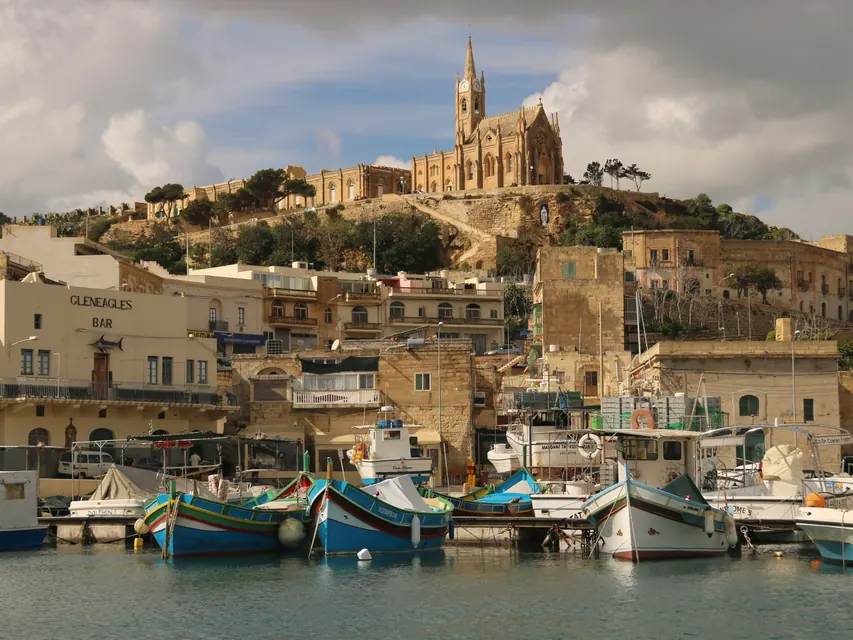
For three days in Valletta, they are all in one walled city on a rock in the Mediterranean.
You will not lose them in a hall with 2,000 booths. Valletta is capped at roughly 250 delegates, and you will meet most of them twice.
Short-drama app downloads in Q1 2026, up 140% year on year
The audience arrived before the industry did
In-app purchase revenue in Q1 2026 alone
Money is moving quarterly, not annually
Estimated global micro drama revenue in 2026, up from $11B in 2025
Roughly the size of global recorded music
Share of tracked revenue held by the top five apps
Which is exactly why the next five get built here
Figures as of Q1 2026 (2026 revenue is a forecast). Sources: Sensor Tower, State of Short Drama Apps 2026; Omdia via industry reporting; concentration figures from Sensor Tower data to April 2026.
A category this size usually already has its market. Film has Cannes. Television has MIPCOM. Vertical has a group chat.
We’re fixing that in Valletta.
Vertical drama went from novelty to $14 billion faster than anyone built the machinery around it.
There are no standard deal terms. No agreed budget benchmarks. No reliable way for a producer in Lagos to reach a commissioner in Shenzhen. No one can tell you what a completed 80-episode series is actually worth, because the comparables live inside five companies who don’t publish.
Everybody is guessing in private and pretending in public.
Valletta is three days of people saying the real numbers out loud.
The questions on the programme
What actually gets greenlit, and by whom?
What does an 80-episode series cost to make in Kyiv, in Manila, in Los Angeles, in Lagos?
What does a platform pay for it, and on what terms?
What makes someone watch episode two?
When acquisition costs rise, which business models survive?
Where does AI genuinely cut cost, and where does it quietly wreck the product?
Who owns the IP when the series is over?
Which territories are next, and who is already there?
What happens when a hit vertical series needs to become a film, a game or a brand?
Compare commissioning models with people running the same problem. Meet suppliers before your competitors sign them. Find out what producers actually think of your terms, which nobody will tell you on a Zoom call.
What gets greenlit and what gets passed on. Real budget ranges by territory. Co-production partners who cover the gap in your finance plan. And a number for the Malta rebate against your next slate.
Hooks, cliffhangers, episode architecture, blocking for 9:16, directing for compressed performance. Then a room full of producers who need writers who understand all of it.
Platform economics. Production finance structures. Minimum guarantees. IP ownership. The difference between a business and a customer acquisition experiment wearing a business costume.
Integration that viewers don’t skip. Financing structures where both sides win. What it takes before a media buyer moves real budget into the format.
Not a booth. A working demonstration in the AI Filmmaking Lab, in front of people who will tell you to your face where it breaks.
Dubbing, subtitling, remakes, regional platform relationships, casting, legal, payments, insurance, crewing. The unglamorous infrastructure that decides whether a hit in one territory becomes a hit in nine.
Keynotes, interviews, panels and operator sessions. One rule for speakers: bring a number, a decision or a scar.
No sessions titled “The Future of Content.” We want the person who spent €400,000 finding out what doesn’t work, explaining exactly how.
Six weeks before the summit you tell us what you’re looking for and who you want in front of you. Financing. Distribution. Production capacity. Technology. Talent. A platform relationship. A territory.
We do the work and put you across a table from them.
That guarantee is on the page because it’s the whole promise of the event. If we can’t put the right people in front of you, we haven’t earned the money.
A dedicated space for business. Tables, screens, coffee, and a scheduling system that knows where everybody is.
Bring a slate. Bring a platform. Bring capital. Bring a workflow. Bring a territory nobody else is covering.
This is where conversations move from “we should work together” to “send me the deck and I’ll come back Thursday.”
Selected creators and production companies present vertical series concepts to a curated room of commissioners, financiers and platform executives.
The point is a business outcome, not applause. Every presenting team gets written feedback from the panel and a guaranteed introduction to two decision-makers in the room.
Eligible: original vertical series, adaptable IP, international formats, creator-led properties, AI-assisted productions, brand-financed concepts, finished titles looking for localization or distribution.
Applications open with ticket sales. Selection announced eight weeks before the summit.
How the work gets made. Five sessions.
Hooks, cliffhangers, character engines, episode structure, franchise potential. What survives when short stops being the novelty.
Blocking for 9:16, close-ups, visual density, production design, directing actors through compressed performance. Vertical is not horizontal television with the sides trimmed off.
Budgets, schedules, crew structure, casting, locations, quality control. How the strongest operators ship 80 episodes without the story falling apart in week three.
Previsualization, character consistency, virtual production, voice, localization, generative shots. Plus the harder question: where do humans stay firmly in control?
The first three seconds. Drop-off. Episode endings. Paywall placement. Where creative instinct and audience data meet in the edit, and who wins the argument.
How the work gets paid for. Five sessions.
IAP, subscription, advertising, hybrid. Licensing, production finance, minimum guarantees, co-production, revenue shares, rights and ownership. The economics under the content.
Creative testing, paid acquisition, organic discovery, CAC and LTV, trailers, creator distribution. ReelShort reportedly ran 1.34 million creatives globally. We’ll talk about what that means for everyone who can’t.
Tracked D1 retention around 27% falling to roughly 5% by day 14 is the category’s open wound. Sessions on what actually moves those numbers.
Integrations viewers don’t skip. Financing structures that work for both sides. What an advertiser needs before real budget moves.
When paid acquisition gets expensive, what’s left? Owned audience, repeatable IP, and margin.
How the work travels. Five sessions.
Apps, web, social, FAST, YouTube, regional platforms. The future probably isn’t one distribution model, and planning for one is how companies get caught out.
Dubbing, subtitles, remakes, cultural adaptation, AI localization, regional casting. Some stories travel unchanged. Others need rebuilding. Knowing which is which is worth money.
Southeast Asia, Latin America, India, Japan, Korea, Africa, the Gulf. Who’s buying, what they pay, who to call.
The most valuable vertical property will eventually earn somewhere other than the app that launched it. Books, licensing, television, film, games, commerce, remakes.
The question every operator in this business will answer in the next 24 months, whether they plan to or not.


Don’t tell us what the tool does. Open it.
A working lab, running all three days, for filmmakers and the companies building their tools.
Live demonstrations. Real footage. Real problems. Real criticism from people who ship on deadline.
Previsualization, character development, storyboarding, shot creation, voice, localization, editing, VFX, automation.
We are most interested in the messy middle. Not the perfect 30-second demo.
The only question that matters in the Lab: can this workflow survive an actual production?
Every demo ends with an open floor. If your tool breaks under a real schedule, you’ll find out in Valletta rather than after you’ve signed a studio.
What if you shot it here?
Malta pays a cash rebate of up to 40% on qualifying local spend, with a minimum Malta spend of €100,000, under a scheme that runs to 29 October 2028. It’s a direct cash grant rather than a tax credit, and productions can apply for an advance once filming starts.
That’s the reason to hold this summit on an island with a 25-year production history behind it.
Production Day covers locations, crews, facilities, post, water tanks, cross-border structuring, and what the rebate looks like against a vertical slate rather than a feature.
The objective is practical: understand what it takes to arrive in Malta with a script and leave with a finished series.
Participating organizations and rebate sessions to be announced. Rebate terms are set by the Malta Film Commission and delegates should confirm current guidelines directly.
The conversations that happen right after someone walks offstage.
A working set inside the venue where speakers, filmmakers, investors and executives sit down for interviews, debates and short industry briefings.
Everything is recorded. Delegates can request a slot.
Over time this becomes a media archive of the people who built vertical entertainment while it was still being figured out. First edition, first record.

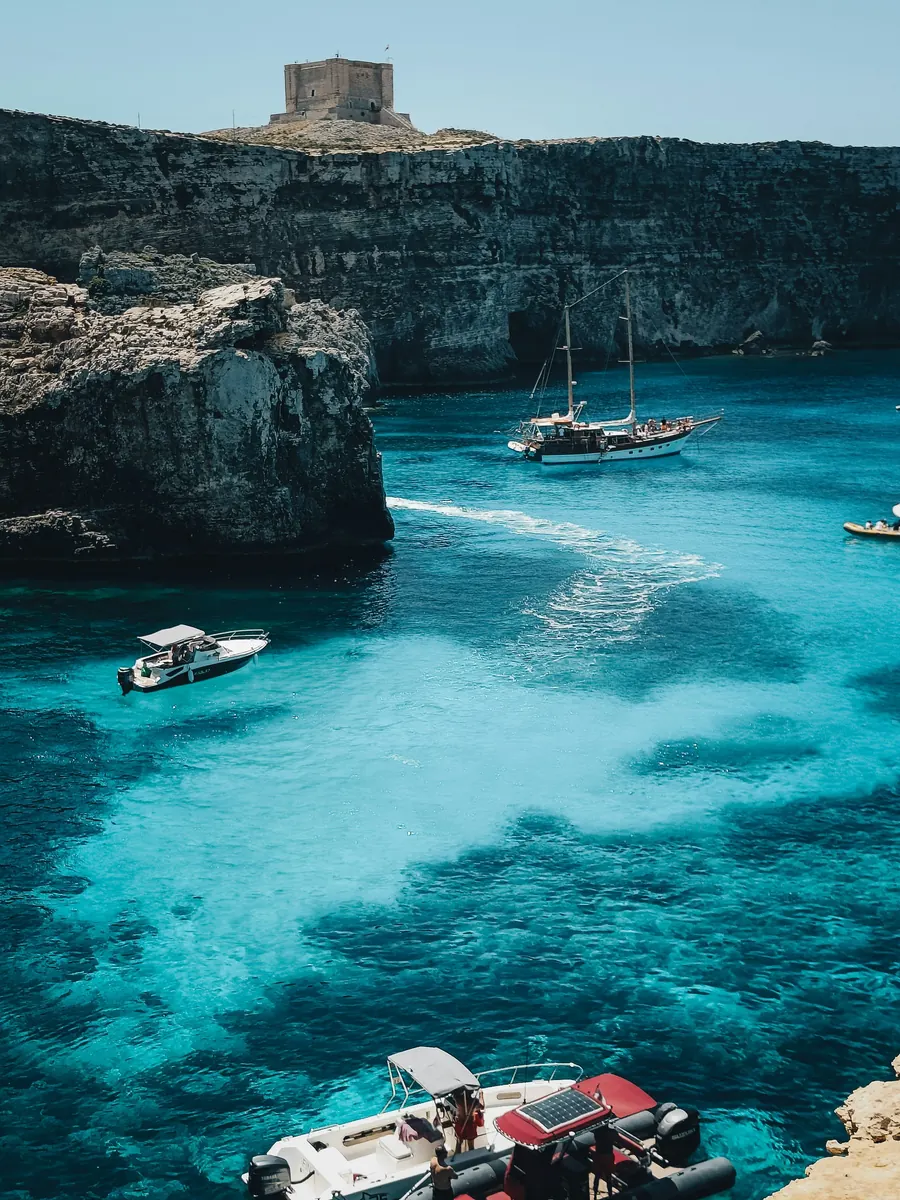
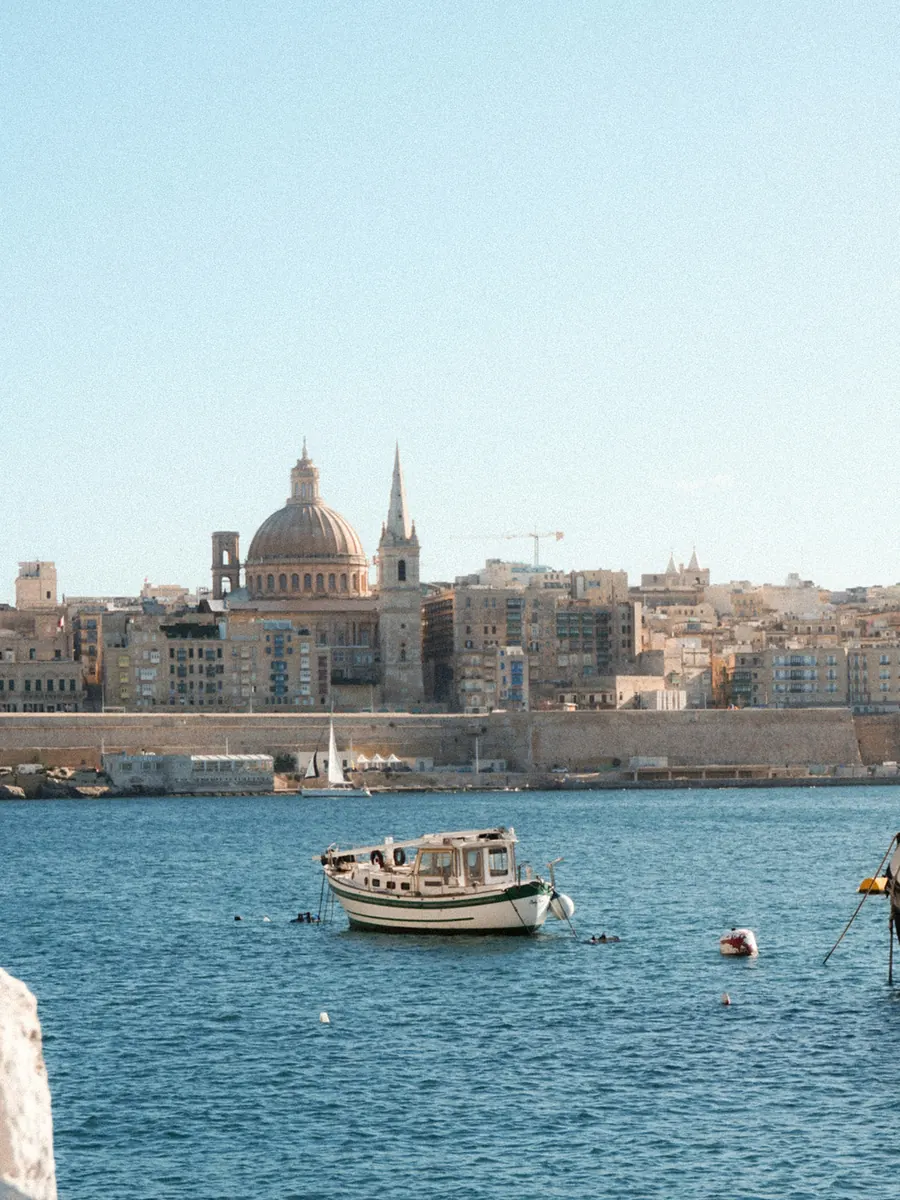
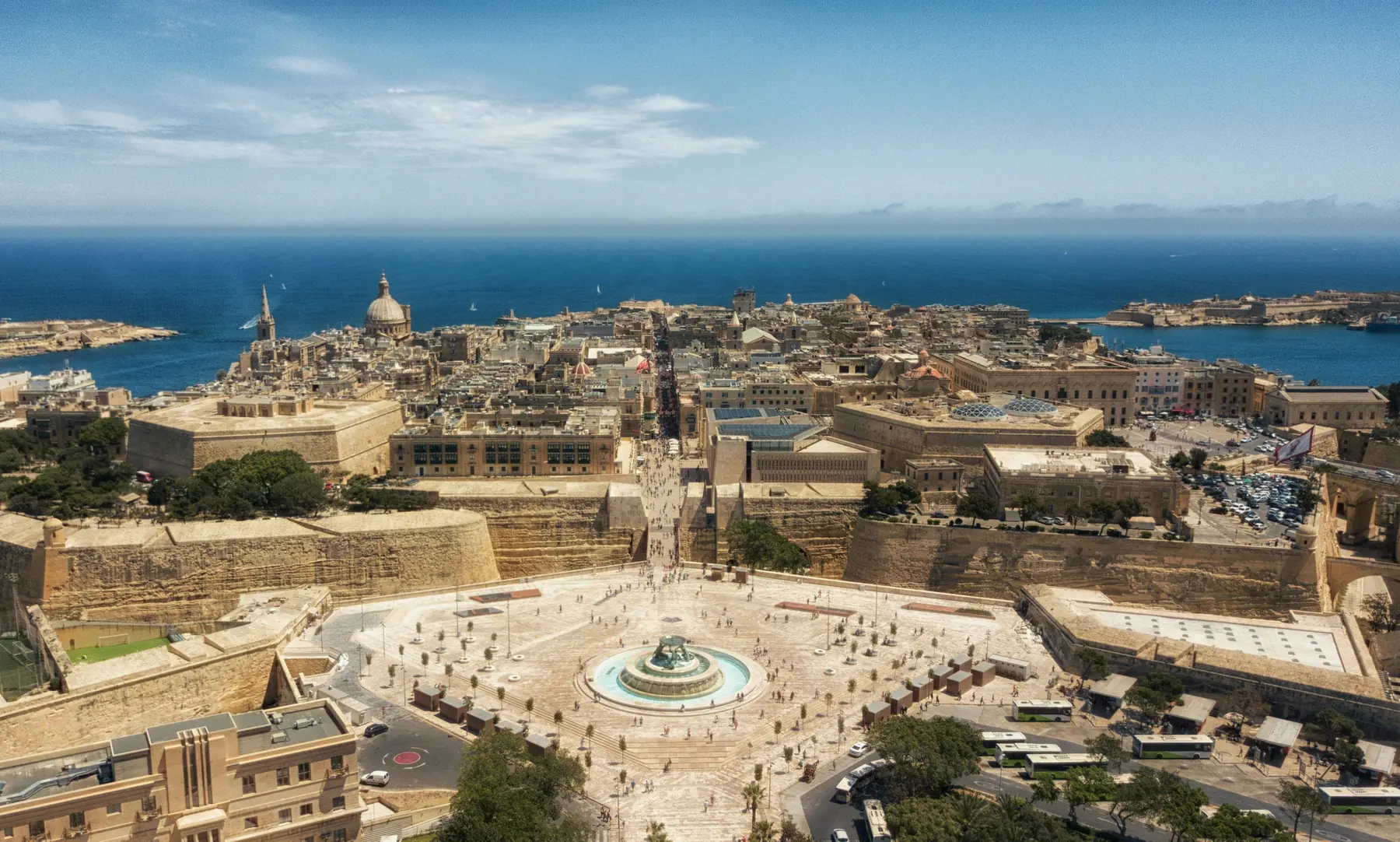
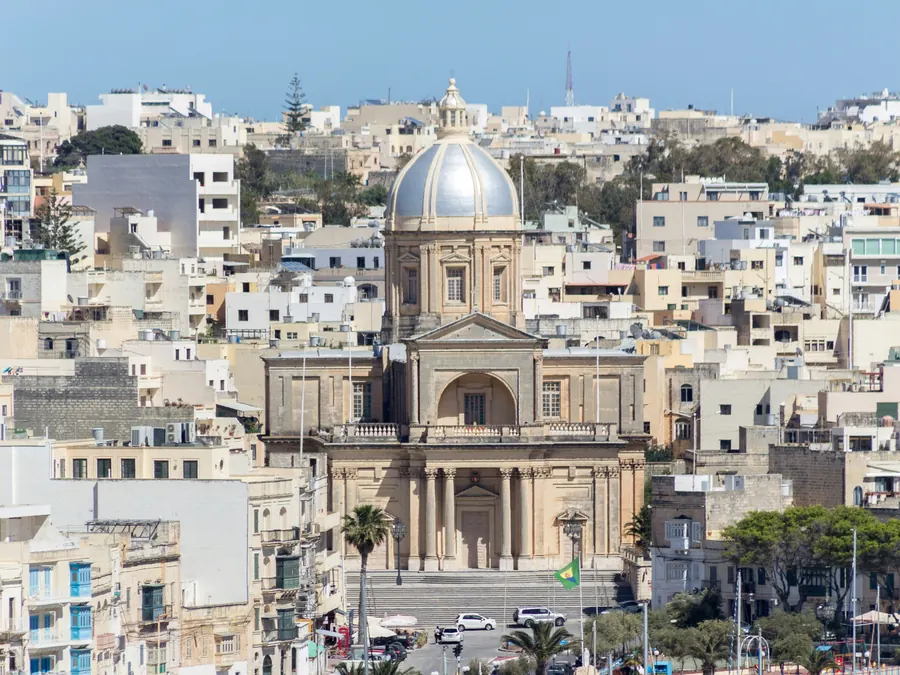
Valletta is a fortified city on a peninsula between two natural harbours. UNESCO lists it among the most concentrated historic areas in the world, with hundreds of monuments inside a footprint you can cross on foot in twenty minutes.
That last part is the business case.
You cannot lose anyone in Valletta. Your 4pm meeting is walking past your table at 8pm. The commissioner you didn’t get to is at the same harbour bar. The city does half the networking for you.
Then there’s the money. Malta pays up to 40% back in cash on qualifying production spend. Roughly 250 people will be on this island discussing where to shoot next year, and a third of them can write off the trip against the slate it produces.
And Malta has 25 years of crews, studios, water tanks and fixers behind it, built on features that came for the light and stayed for the infrastructure.
Scenery is the bonus. The room and the rebate are the reasons.
Explore Valletta
Vertical in Valletta · Malta · May 2027
MIPCOM draws more than 13,000 people. That scale is their advantage and they’ve earned it. Ours is different. Roughly 250 delegates, allocated across the value chain so that no single group swamps the room.
We hold those bands deliberately. When a tier sells out, it stays sold out, even when the money is good. A room that’s 70% technology vendors is a trade show with extra steps, and the producers never come back.
At 250 people you see the same faces four times in three days. Session, lunch, meeting, dinner. That repetition is what turns an introduction into a relationship, and a relationship into a deal.
The value of an industry event has almost nothing to do with how many panels you sat through. It’s the four conversations you could not have had anywhere else. We build the whole three days around producing those four.
Plus, honestly: every delegate we admit is one we have to place in five good meetings. There’s a ceiling on how many of those we can do well, and it’s about 250.
The Micro Drama Summit started as a live online gathering for this community. The first edition drew 458 registered attendees, 16 speakers and three days of programming, with 75 to 100 people live in individual sessions.

Opening keynote. State of Vertical Entertainment, with the year’s numbers presented properly. Platform leadership conversations. What buyers are commissioning in 2027.
Business models. Greenlights. Investment. Distribution. Valletta Match meetings begin. Marketplace opens.
Opening reception. Credentials, food, introductions. No speeches longer than four minutes.

Story architecture. Directing the vertical frame. Production systems. Casting and performance.
AI Filmmaking Lab runs all day. Editing and retention. Greenlight presentations. One-to-one meetings.
Long Table Dinners across Valletta. Executive Dinner. Partner experiences.

Marketing and paid acquisition. Localization. Territory sessions. International expansion.
Brands. IP and franchises. Malta Production Day. Closing conversations.
Closing harbour reception, then the city is yours.
Arrive, collect credentials, meet the room before the first keynote. Good food, good drinks, better introductions.
An evening over one of the Mediterranean’s great natural harbours, built for conversation rather than programming.
Hosted dinners grouped around specific interests. No ballroom. A table, food, twelve interesting people and enough time.
Invitation-only, for senior delegates, speakers and partners. Included with Executive and VIP passes.
Selected delegates see the locations, studios and facilities firsthand.
Extend the trip. Because if you’re flying to Malta, you should see Malta.
Final programme, timing and experiences subject to change.
A base visitor pass to MIPCOM costs €1,780, and their Prestige tier runs €3,580. People pay it because a content market is access, not a chair. Valletta is the same trade at a tenth of the crowd. Every pass includes meals and receptions. Industry, Executive and VIP add Marketplace access and the Meeting Guarantee.
For independent writers, directors, producers, actors and filmmakers building a career in vertical.
Application required. Limited allocation.
For producers, studios, agencies, technology companies, distributors and service companies.
For founders, senior executives, investors, commissioners and buyers.
Application required.
Strictly limited hospitality. Roughly 20 passes.
We don’t want this to feel like an airline checkout. Programming, official networking, daytime hospitality and the main receptions are included with every qualifying pass. Flights, hotels and separately marked excursions are not.
Complete your Match profile by the deadline and we confirm five relevant one-to-one meetings before you travel, or we refund your pass in full and you keep your seat.
Plans change. Name changes are free up to seven days before doors.
So we don’t charge you full freight.
Qualified buyers and commissioners attend on a hosted or reduced-rate basis, and in exchange we ask for one thing: take the meetings we schedule.
Hosted buyers receive:
Valletta gathers operators across the stack in one room: platforms, studios, production companies, technology, distribution, advertising, localization and emerging IP.
Qualified investors can request dedicated investor programming, closed-door operator sessions and priority matchmaking.
Vertical sits across departments. Content, production, marketing, technology, strategy, finance. Send one person and you get one version of the event secondhand, usually two weeks late.
| Delegates | Discount |
|---|---|
| 3 to 4 | 10% |
| 5 to 7 | 15% |
| 8+ | 20% |
8+ also gets a hosted table at a Long Table Dinner. Group rates apply within the current price stage and don’t stack with other offers.
A logo on a step-and-repeat is worth nothing and everyone involved knows it.
The partnerships that work make the event better, which is why delegates remember who made it happen.
A filmmaking technology company powers the AI Lab. A production company hosts Malta Production Day. A financial institution convenes the capital conversation. A hotel becomes where the industry stays. A brand hosts the dinner people talk about for a year.
Three days. Repeated contact, not a passing glance at a banner.
We cap partners per category. Your competitor cannot buy the room next to you.
Every industry that became an institution eventually built its place.
Vertical entertainment is early enough that its institutions are still being made. Whoever shows up first gets written into the story of how it happened.
Founding partners and Founding 50 delegates are listed permanently on this site and in every edition that follows.
Fair. Here’s our answer: the delegate mix is published above and we hold it. The buyer list goes out to every ticket holder eight weeks before doors. If the room isn’t what we described, cancel up to 30 days out and take a full refund. First editions carry risk, so we’re carrying most of it.
It’s roughly three hours from London, two from Rome, four from Dubai, and Malta International is 15 minutes from Valletta. Most delegates land mid-afternoon and are at the opening reception the same evening. Compare that to the two hours you spend crossing the Palais in Cannes.
It is. It’s a normal price for a market. MIPCOM’s entry pass is €1,780 and you still have to find people in a crowd of 13,000. Here, five meetings are scheduled before you land, or you get your money back.
Partly. About 15% of the room is creators and talent, and the Creator Pass is priced for that. If you’re looking for craft education alone, Vertical Film School serves you better and costs far less. Come to Valletta when you want the business.
You’ve been trying. So has everyone else. That’s roughly the point.
Valletta, Malta, the first week of May 2027. Exact dates are announced with the venue. to hear first.
Roughly 250 delegates. The cap is deliberate and we won’t raise it because demand is strong.
No. Creators matter in the room, but this is a business-to-business market across the whole value chain.
No. Plenty of delegates will come from television, film, streaming, advertising, technology and investment while they work out where vertical fits in their business.
Yes. Valletta Match opens six weeks out, and the Meeting Guarantee applies to Industry, Executive and VIP passes.
Through Greenlight. Applications open with ticket sales, selection eight weeks before doors.
Lunch and refreshments on all three days, plus the official receptions, at every pass level. Long Table and Executive Dinners depend on tier.
No. Official hotel partners and negotiated delegate rates will be announced, and VIP passes include concierge booking.
Most of them, subject to speaker permission. Replay access depends on pass level.
Full refund up to 30 days before doors. Free name transfers up to seven days before.
Malta is in the Schengen area. We issue invitation letters for visa applications on request, and we advise applying at least eight weeks out.
Professional, comfortable, Mediterranean. You’ll be doing business, walking limestone streets and eating outdoors at night. Bring shoes that handle all three.
Yes, and categories are capped. .

250 delegates. Three days. One emerging category, and enough time to actually meet each other.
Five confirmed meetings or your money back.